Introduction
Ketamine therapy is one of the approaches that has drawn attention in recent years for patients with treatment-resistant depression. Major depression is one of the most common psychiatric disorders in the world, and despite significant advances in treatment, it remains one of the leading causes of disability and reduced quality of life. Many patients improve with antidepressant medications, psychotherapy, device-based methods (such as brain stimulation), or a combination of these approaches, but not everyone responds the same way to these treatments; in some patients, symptoms persist despite receiving standard treatments, or sufficient improvement is not achieved. This group falls into the category of treatment-resistant depression and may need to explore other treatment options.
Ketamine is a medication that has been used in medicine for many years, particularly in the field of anesthesia, and newer research has shown that, under medical supervision and for selected patients, it can also play an effective role in reducing symptoms of treatment-resistant depression.
This article was prepared and reviewed by the Anesthesiology and Psychiatry team of Iranian Hospital.
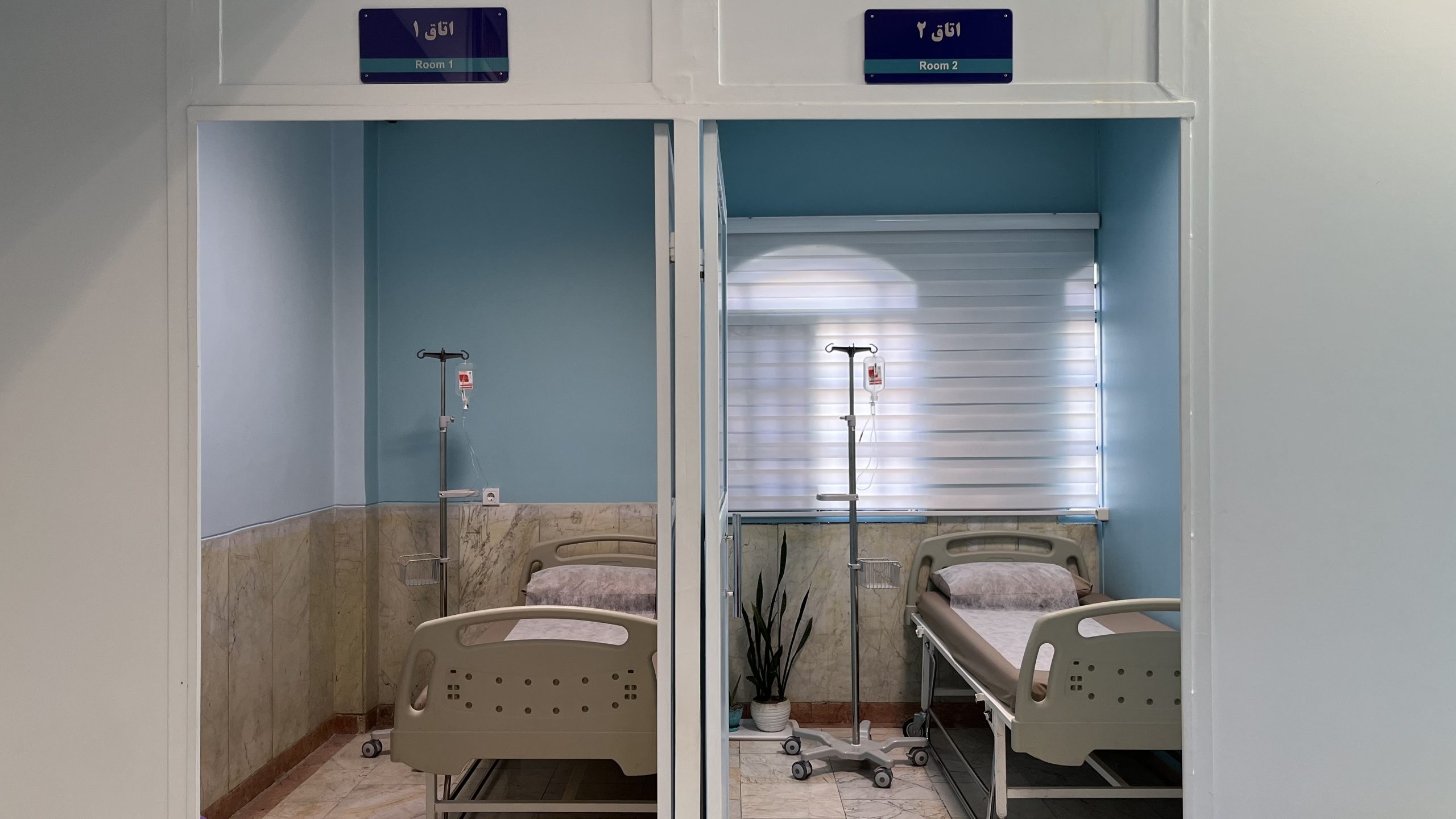
What Is Ketamine Therapy and How Does It Work?
Common antidepressant medications act through a fixed pathway in the brain, and it takes 2 to 4 weeks for the patient to feel their effect. Ketamine works through a different pathway, and in many patients, the greatest improvement in symptoms has been reported within about 24 hours of receiving the medication.
This very speed of effect is one of the main reasons researchers have taken interest in this approach, especially for patients in more critical condition who need a faster response than conventional medications provide. However, ketamine therapy is not simply a single injection; it is part of a controlled medical process that includes assessment, monitoring during treatment, and follow-up afterward.
Ketamine, in injectable form, has been approved for anesthesia for many years. Its use for treatment-resistant depression is based on evidence that grows more extensive each year and has been reported by reputable medical centers worldwide; this treatment is always carried out under the direct supervision of a specialist physician.
For those interested in the scientific details: ketamine is known as an NMDA receptor antagonist and, unlike many common antidepressants that act on serotonin and norepinephrine, it works through the glutamate system.
What Is the Difference Between Ketamine Therapy and Illegal or Recreational Ketamine Use?
Ketamine is a medication that has both medical applications and potential for abuse outside a treatment setting. The main difference between ketamine therapy and recreational use lies in the purpose of use, the manner of administration, and the level of medical supervision — not in the substance itself:
| Feature | Ketamine Therapy | Recreational Ketamine Use |
| Purpose | Treatment of treatment-resistant depression | Entertainment or recreational experience |
| Dose | Specific and controlled by a physician | Unknown and uncontrolled |
| Setting | Hospital, under specialist supervision | Outside a medical setting |
| Monitoring | Continuous monitoring of vital signs | No medical supervision |
Who Is Ketamine Therapy Suitable For?
This treatment is generally intended for adults 18 years and older. Decisions regarding candidacy for individuals under this age are made only after specialized assessment and on a case-by-case basis. There is no specific upper age limit for elderly patients either, but closer medical supervision is required due to drug interactions and coexisting conditions.
Ketamine therapy is most commonly used in adults who have not responded adequately to conventional depression treatments. Numerous studies have shown that ketamine therapy can increase the chance of symptom improvement in many of these patients.
In some cases, particularly for patients facing acute self-harm or suicidal thoughts, the rapid effect of ketamine may be considered as an immediate, short-term intervention, under the full supervision of a psychiatrist.
If you are currently experiencing thoughts of self-harm or suicide, or know someone who is, please immediately call the Iranian Hospital emergency department at 021-44723330 to 6 (ext. 222) or go to the nearest medical center.
Ketamine Therapy or Other Treatment Methods — Which Is More Suitable?
The choice of depression treatment depends on symptom severity, treatment history, and the physician’s judgment. Ketamine therapy is not a replacement for all existing depression treatments; rather, it is one of the approaches used in specific circumstances for selected patients, usually after a lack of response to more common methods:
| Feature | Ketamine Therapy | Common Antidepressant Medications |
| Onset of effect | Hours to 24 hours | 2 to 4 weeks |
| Method of administration | Injection, under direct supervision | Oral, daily |
| Treatment position | Usually after lack of response to common methods | Usually first-line treatment |
What Should You Do Before a Ketamine Therapy Session?
- A complete medical and psychiatric evaluation is conducted (review of medical history, standardized questionnaires, physician consultation).
- Additional tests such as blood tests, urine tests, or an ECG are requested only if needed, based on your condition.
- Your informed consent is obtained before the first session, after a full explanation of the process, benefits, and risks.
- Fast from food for at least 6 hours before the session, and avoid water and tea for at least 3 hours before the session.
- Have someone accompany you to return home after the session.
- Share a complete list of your current medications with the medical team; your physician will inform you of any medications that may need adjustment.
- Avoid alcohol for at least 24 hours before the session; if you have consumed alcohol during this period, be sure to inform the nurse before the session begins. It is also best to limit alcohol consumption throughout the treatment course, as it can reduce the treatment’s effectiveness.
For any questions about this, talk to your physician.
What Happens During the Session?
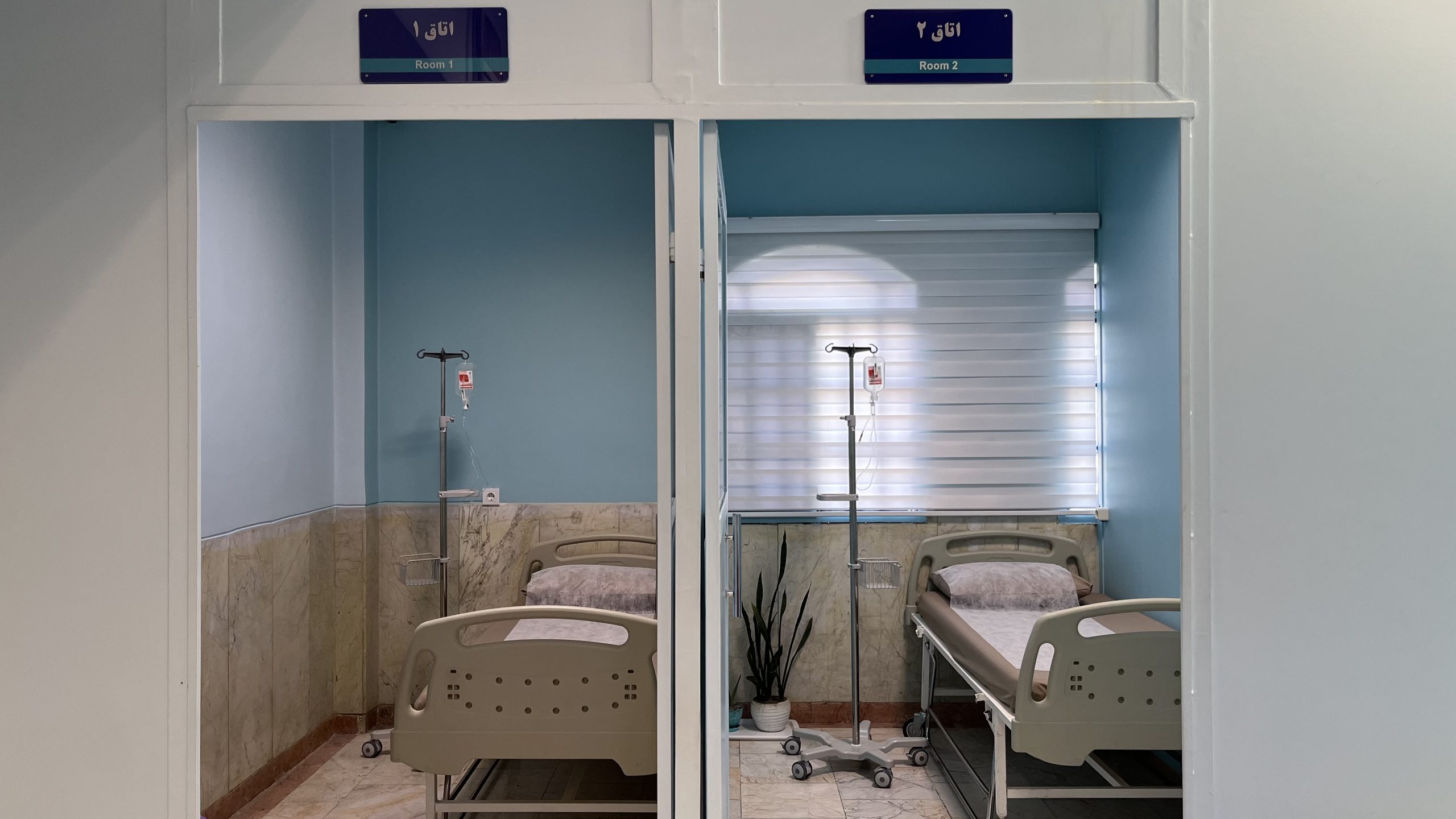
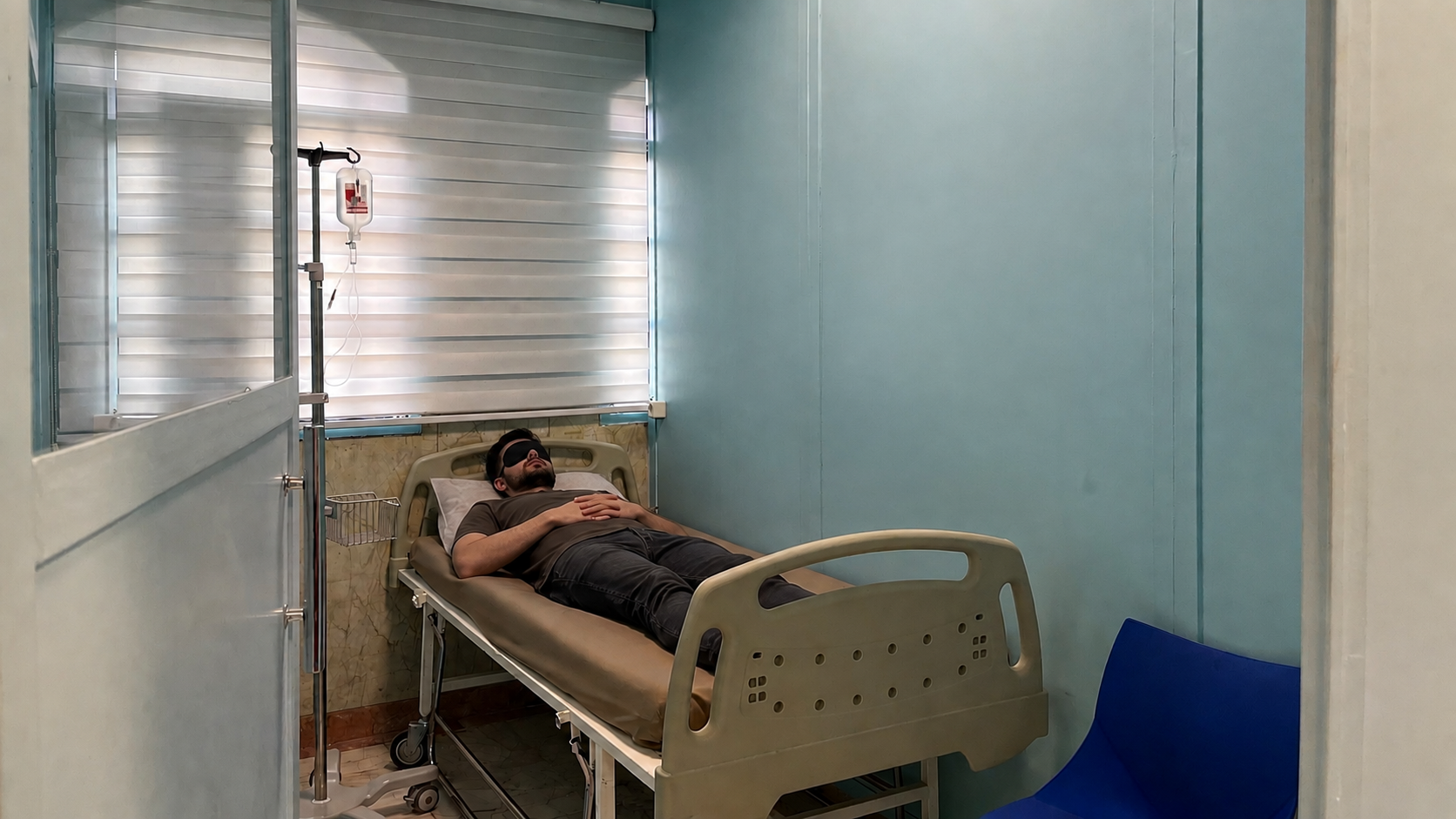
The session takes place in a calm environment under the direct supervision of the treatment team. Ketamine can cause temporary changes in perception or a sense of detachment from one’s surroundings; for this reason, the patient’s vital signs (such as blood pressure and heart rate) are regularly monitored throughout the session.
Before treatment begins, as with a routine IV line, a vein is set up for medication delivery; this is done by an experienced nurse with as little discomfort as possible.
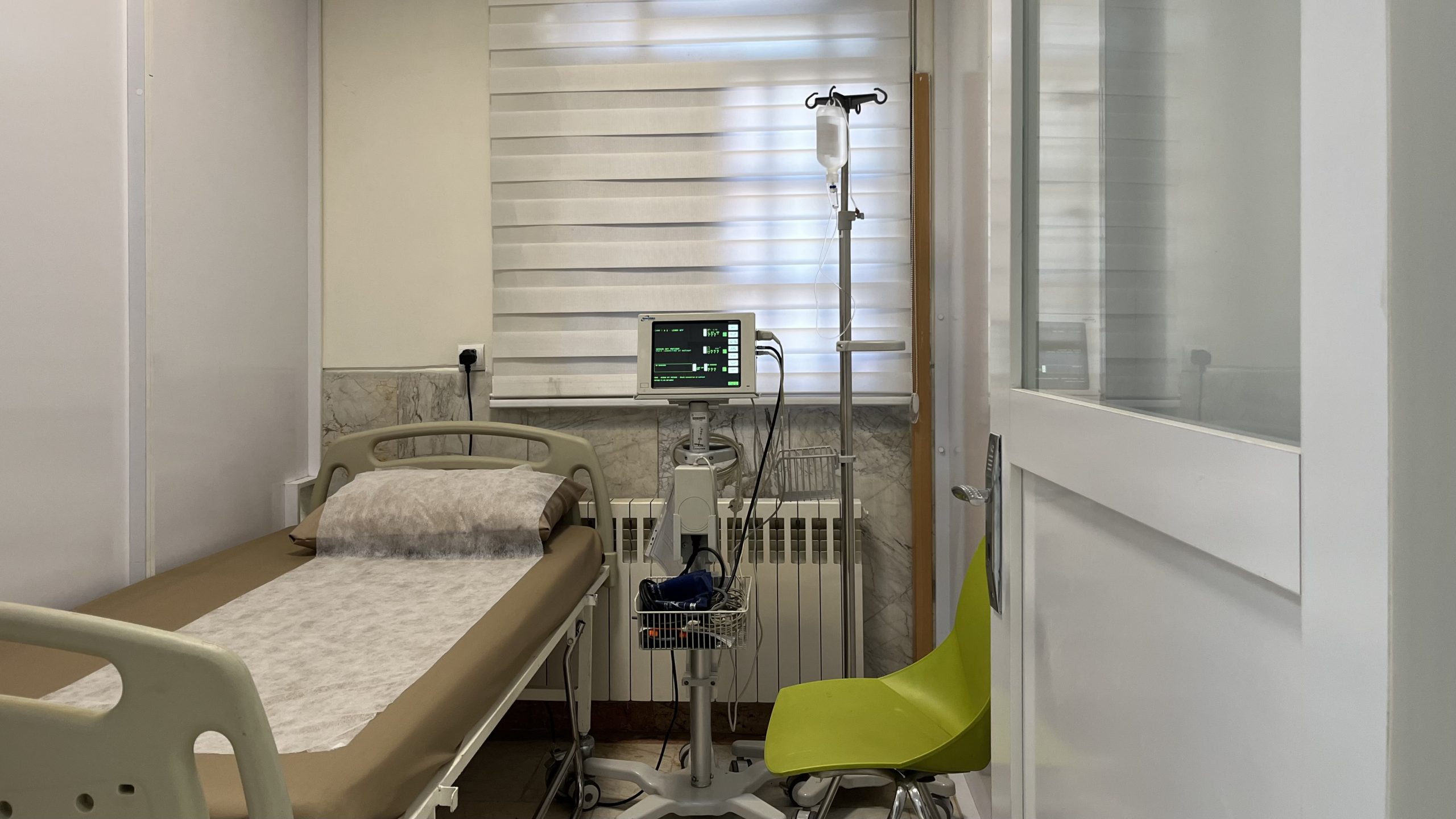
The session space is designed to provide a sense of calm and safety. It is best to avoid phone calls or lengthy conversations during this time; if you need to speak with the treatment team, keep it brief so you can remain calm and focused. Using your mobile phone on silent mode is fine.
If you like, you may bring headphones to listen to calm music or soothing sounds; many patients say that listening to music makes their experience calmer and more comfortable. An eye mask is also provided to help you relax further. Throughout this time, you will be under the full care of the treatment team, who remain by your side to respond immediately if needed.
Ketamine therapy at Iranian Hospital is carried out in a fully equipped environment with complete access to medical facilities; this means that throughout the treatment, in addition to the treatment team, you will also have the highest level of medical readiness and support.
After the injection ends, full alertness typically returns within a few minutes, but the patient remains under the treatment team’s observation for a period before discharge to ensure their condition is stable. Your total time at the hospital, including admission, the treatment session, and recovery, is usually about two hours.
What Care Is Needed After the Session?
After the session ends, the patient is placed in a calm space under nursing team supervision to ensure their condition is stable. Before discharge, the treatment team reviews your condition once more to make sure you are ready to return home. As a standard precaution, driving on the day of the session is not recommended; please arrange in advance to return home with a companion.
After the session, there is no strict food restriction; however, it is best to first make sure any nausea or dizziness has resolved, then start with a light, simple meal.
Avoid important tasks, signing documents, or making sensitive decisions on the same day. Regular follow-up according to the schedule set by your physician is essential for assessing your response to treatment. After completing the initial treatment course, if the response is positive, maintenance sessions may continue at longer intervals, with your condition periodically reviewed.
If you experience any unusual or concerning discomfort after the session, you can contact Iranian Hospital’s Ketamine Therapy Unit: 021-44723330 to 6 (ext. 239)
What Are the Possible Side Effects of Ketamine Therapy?
Like any other treatment method, ketamine therapy may also come with side effects:
- If dizziness or nausea occurs, inform the medical team; these symptoms are temporary and manageable.
- A feeling of confusion or temporary visual disturbance usually resolves shortly after the medication’s effect wears off.
- A temporary feeling of detachment from oneself or one’s surroundings is managed under the treatment team’s supervision and resolves after the session ends.
- A temporary increase in blood pressure or heart rate is continuously monitored during the session.
Who Should Not Undergo Ketamine Therapy?
In certain specific medical or psychiatric conditions, the physician may determine that another approach is more suitable, including:
- A history of psychosis-like symptoms
- Uncontrolled cardiovascular disease (including recent heart attack or uncontrolled high blood pressure)
- Serious liver disease
- Pregnancy
- A history of substance use problems
Ultimately, ketamine therapy should only be considered for patients for whom, after specialized evaluation, the potential benefits of treatment are judged to outweigh the potential risks.
Frequently Asked Questions About Ketamine Therapy
How many sessions are needed?
Treatment usually begins with an initial course of 6 to 8 sessions; if the response is positive, maintenance sessions may continue at longer intervals.
How long does its effect last?
The effect gradually diminishes, but with repeated-dose treatments, it is maintained for a longer period.
Does it completely cure depression?
No. Ketamine therapy can increase the likelihood of responding to treatment, but it is not recognized as a definitive cure for depression.
Is ketamine therapy addictive?
Ketamine is a substance that can be misused in non-medical use. Therapeutic use of ketamine therapy, with a specific dose, a limited number of sessions, and continuous medical supervision, is different in nature and is carried out for selected patients within a standard framework.
Is ketamine a new drug?
No. Ketamine has been used in medicine, particularly in anesthesia, for many years. Its application in treating depression is a newer use that has been studied in recent years.
After the treatment course ends, what is the follow-up like?
After the course ends, your condition is periodically reviewed by the treatment team so that the treatment plan can be adjusted or continued as needed.
How much does ketamine therapy cost?
For information on the cost per session and to receive initial consultation, contact Iranian Hospital’s admissions unit. 021-44723330 to 6 (ext. 210-211)
Does insurance cover the cost of treatment?
Insurance coverage for ketamine therapy is limited, and most basic insurance plans do not cover it. Some supplementary insurance plans may cover part of the cost; for accurate information, it is best to check with your insurance company.
Summary
This content is not a substitute for an in-person consultation with a specialist physician. For an initial assessment and details about treatment, contact Iranian Hospital’s admissions unit: 021-44723330 to 6 (ext. 210-211)
Rate this content
Total votes: 0 Average score: 0